MR. ROOF INC / Windows
When to Replace Your Windows in Massachusetts and Rhode Island
Learn how to assess drafts, fogged glass and damaged frames, compare replacement options, and prepare a clear window installation scope in Massachusetts and Rhode Island.

A drafty room, a sticking sash or cloudy glass can make replacement windows seem like the obvious next step. Sometimes they are. Sometimes the problem is worn weatherstripping, a repairable component or moisture that needs attention elsewhere.
For a Massachusetts or Rhode Island home, the useful question is what each window is failing to do: keep out air and water, operate properly, provide a clear view or suit the room. An assessment should identify the cause before you compare window replacement options.
Start with the symptoms, not an age cutoff
A window’s age is background information, not a diagnosis. Make a short list for each affected opening:
- Does air move around the sash, or around the surrounding trim?
- Is the glass cloudy after you clean both accessible surfaces?
- Does the window open, close and lock properly?
- Are there stains, soft wood, peeling finishes or damp trim?
Photograph moisture patterns and note when they appear. Water after rain and fog on a cold morning are different observations. Share both with the installer rather than assuming every symptom has the same cause.
When a repair may be enough
If the frame is sound and the unit otherwise works, ask whether the issue can be addressed without replacing the entire window. The answer depends on the product and the condition of its components.
Air leaks are one example. DOE-funded Building America Solution Center guidance distinguishes caulk at stationary gaps from weatherstripping at moving components. Sealing the correct joint may address a draft that new glass alone would not fix.
Replacement deserves closer consideration when damaged frames, repeated water entry, failing operation or several problems make a limited repair a poor fit. Ask what caused the damage. A new window should not simply cover an unresolved leak.
Condensation: where it forms matters
Andersen’s condensation guidance separates three situations:
- Room-side moisture: indoor humidity meeting cool glass can cause condensation. This alone does not prove the window has failed.
- Exterior moisture: outdoor dew can form under certain weather conditions and is not, by itself, a replacement diagnosis.
- Moisture between panes: persistent fog inside a sealed glass unit is a different concern and can indicate seal failure.
If you cannot wipe the haze from either accessible glass surface, have the unit identified and inspected. Ask whether a compatible glass or sash replacement is available, or whether replacing the complete window is the more suitable solution. Do not assume every fogged pane requires replacing every window in the house.
Insert replacement or full-frame replacement?
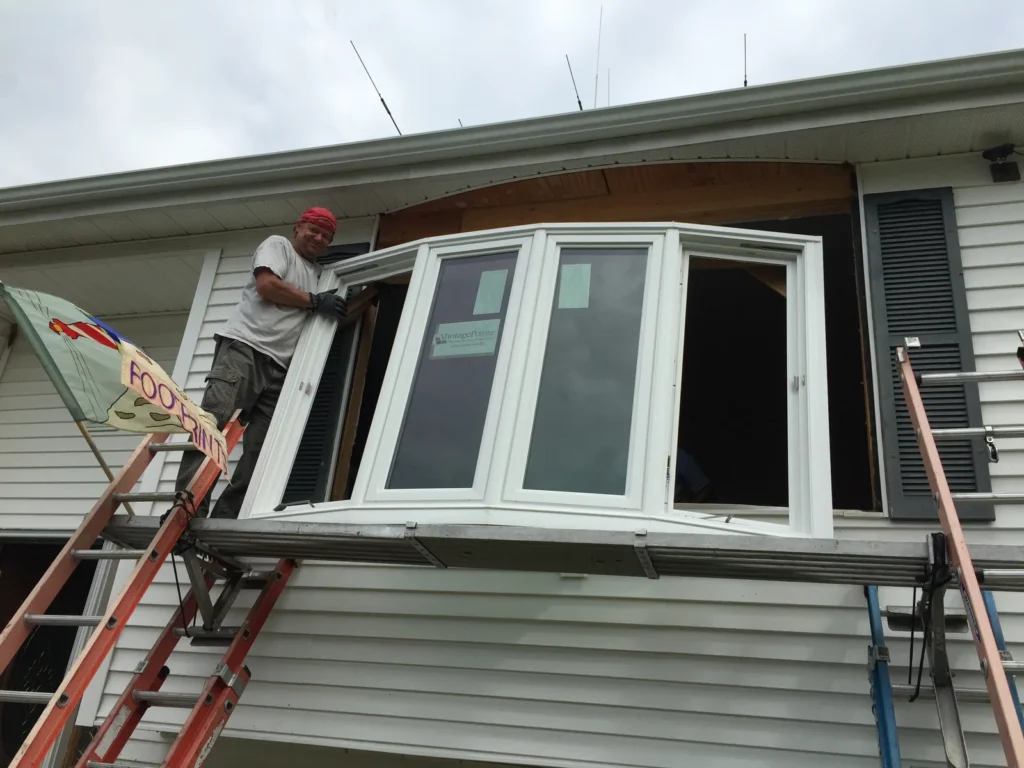
These describe different installation scopes. An insert replacement fits within the existing window frame, retaining that frame and usually more of the surrounding trim. A full-frame replacement removes the existing frame as part of the work. Andersen explains this distinction in its installation resources.
The existing opening should determine the recommendation. Ask the installer to explain its condition, what will remain, what will be removed and how damaged material will be handled. Also compare the proposed glass area, frame width, interior trim and exterior finish. Two estimates can name the same window brand while describing substantially different work.
Compare the actual window ratings
For homes facing New England heating seasons and summer sun, compare the exact product configuration rather than relying on terms such as “premium” or “energy efficient.” The NFRC consumer buying guide explains the whole-window ratings:
- U-factor: a lower value indicates less heat transfer through the product.
- Solar Heat Gain Coefficient: a lower SHGC means less solar heat passes through the window.
- Visible Transmittance: a higher VT means more visible light passes through.
- Air Leakage: where provided, a lower AL rating indicates less air leakage through the tested product.
ENERGY STAR describes how certified performance is tested. Ask for a product suited to your location and room exposure; a single rating should not replace that discussion.
Compare the specified frame, glass package, operating style and finish when reviewing vinyl replacement windows, Andersen windows or Harvey windows. A brand name alone does not identify those details.
Ask how the opening will be sealed
Product ratings do not describe the condition of your wall or the quality of an installation. The DOE’s building-science guidance identifies gaps between the unit and rough opening as potential air-leakage paths and explains that fibrous insulation alone is not an air seal.
Have the installer explain the air-sealing method, flashing and water-management details for your wall assembly and window. Ask how exterior trim or siding will be restored. The proposal should account for the complete opening, with installation following the product manufacturer’s instructions.
What to put in the written estimate
ENERGY STAR’s window-project guidance recommends clear product details and an understanding of product, glass and installation warranties. Before comparing totals, check that each proposal identifies:
- The window schedule, brand, model, glass package and performance ratings.
- Insert or full-frame installation and the trim work included.
- The process for documenting and pricing concealed damage.
- Air sealing, flashing, disposal and cleanup responsibilities.
- Applicable product and installation warranty documents.
Review the available window warranty information and ask who handles a service request. Coverage and exclusions should come from the applicable documents, rather than an assumption based on the brand.
Common questions
Do drafts automatically mean I need new windows?
No. The source may be a sash seal, hardware issue or a gap around the frame. Identify it before deciding between repair and replacement.
Should I replace every window at once?
Ask for a window-by-window assessment. Identify urgent defects separately from appearance or convenience goals so you can discuss a sensible scope.
Will new windows solve indoor condensation?
Not necessarily. Indoor moisture and ventilation still matter. Moisture between sealed panes calls for a different assessment from condensation on the room-facing surface.
Plan the work around your home
If you are considering replacement windows in Massachusetts or Rhode Island, contact Mister Roof to discuss the affected openings and your goals. Bring your symptom list and ask for a written scope that explains both the product and the installation.