Protect the Work Area
Access, nearby furnishings and interior surfaces are considered before removal begins.


This page explains how homeowners can decide whether replacement is appropriate, what is reviewed during measurement and estimating, and what typically happens when existing windows are removed and new units are installed.
A single hardware or maintenance concern does not automatically require a new window. Replacement becomes more appropriate when problems involve the complete unit, insulated glass, recurring operation, frame condition or a broader exterior project.
Homeowners identify the windows, operation concerns and goals they want evaluated.
Window dimensions, style and configuration are reviewed for the selected replacement approach.
Frames, sills, trim and surrounding exterior conditions help determine whether an insert or full-frame method is suitable.
The selected windows, installation method and relevant finishing details should be reflected in the proposal.
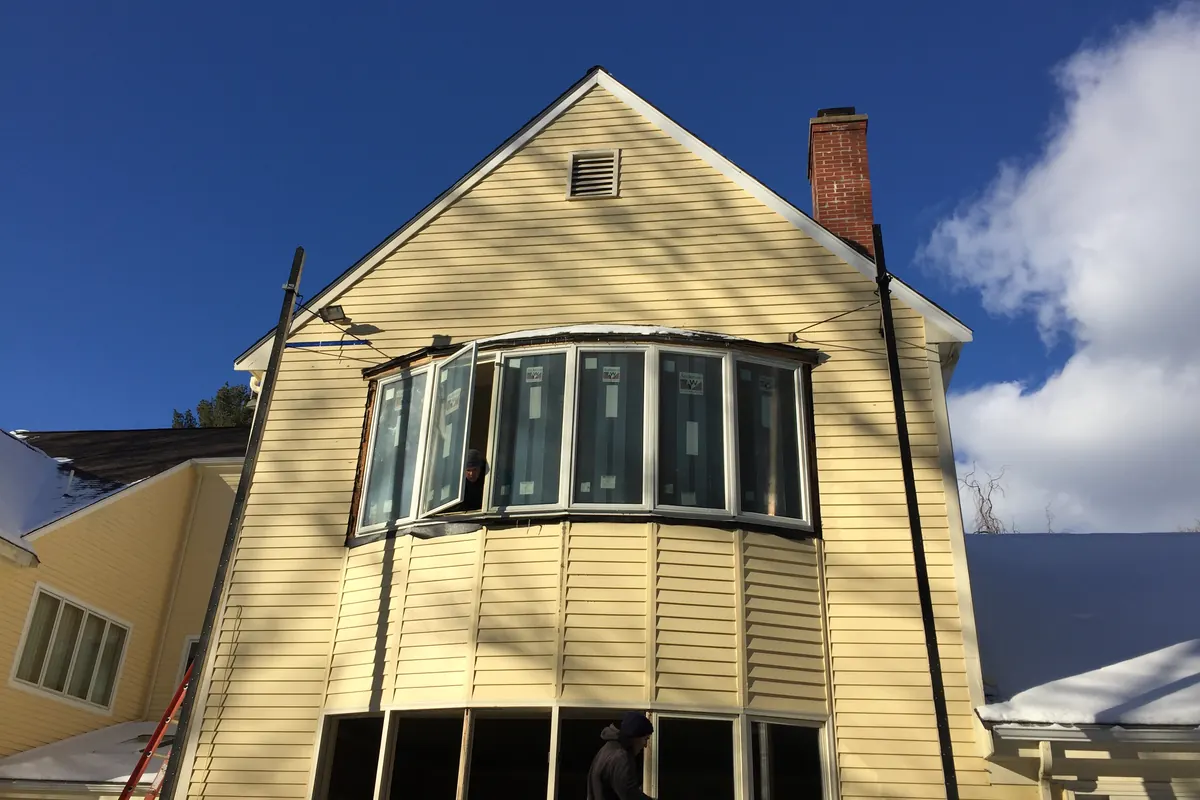
The exact sequence depends on the opening and approved scope. A typical project includes protecting the work area, removing the old unit as required, preparing the opening, installing and sealing the replacement window, completing specified trim or exterior details and removing project debris.
Access, nearby furnishings and interior surfaces are considered before removal begins.
The parts removed depend on whether the project uses an insert or full-frame method.
The new window is positioned, secured and sealed according to the selected system and opening.
Specified trim and exterior details are completed, operation is checked and project debris is collected.
No. The correct approach depends on the frame, sill, trim, opening and project goals. An insert replacement may retain a suitable existing frame, while a full-frame replacement removes the existing unit down to the opening for broader access.
A replacement unit is installed within an existing frame that is suitable for continued use. More existing trim may remain in place.
The existing unit is removed to the opening so surrounding conditions and integration details can be addressed within the approved scope.
A useful estimate must reflect the actual openings and selected scope. Cost can vary with quantity, dimensions, style, glass and configuration, product choice, installation method, access, frame condition and interior or exterior finishing requirements.
The quantity and dimensions of the windows affect materials and installation scope.
Style, operation, glass and selected options influence product requirements.
Existing frames, access, trim and exterior transitions affect the work required.
Before work begins, homeowners can provide clear access to the selected windows, move fragile items and window treatments as directed, and discuss pets, alarms or special access concerns with the project team. Project-specific preparation should be confirmed before installation.
Replacement may be more appropriate when problems involve the insulated glass, repeated operation, substantial frame deterioration or several components rather than one repairable part.
The work generally includes protecting the area, removing the necessary parts of the old window, preparing the opening, installing and sealing the new unit, completing specified finishing details and cleaning up debris.
No. A suitable existing frame may remain during an insert replacement. A full-frame project removes the existing unit to the opening when the condition or approved scope requires it.
Quantity, dimensions, style, product choice, installation method, access, existing conditions and finishing requirements can all affect the project scope and cost.
Provide access to the selected windows, move fragile nearby items as directed and discuss pets, alarms, window treatments or special access needs before work begins.
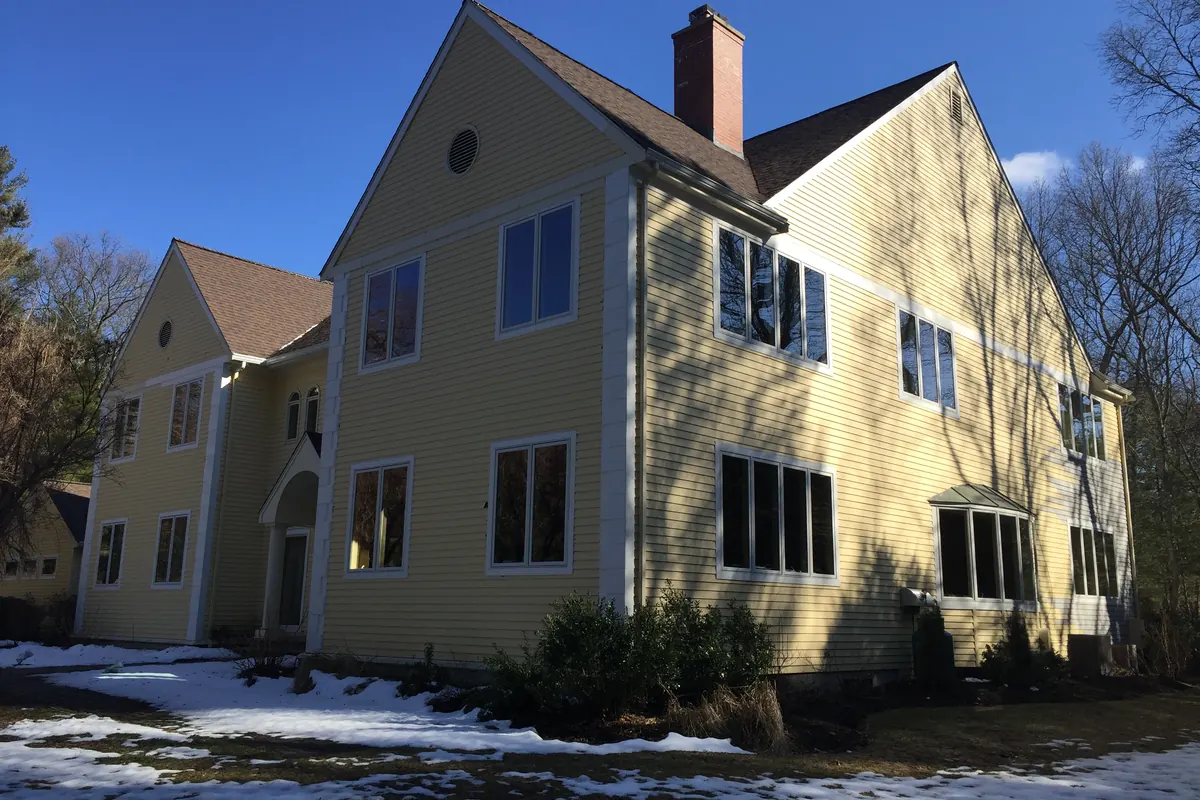
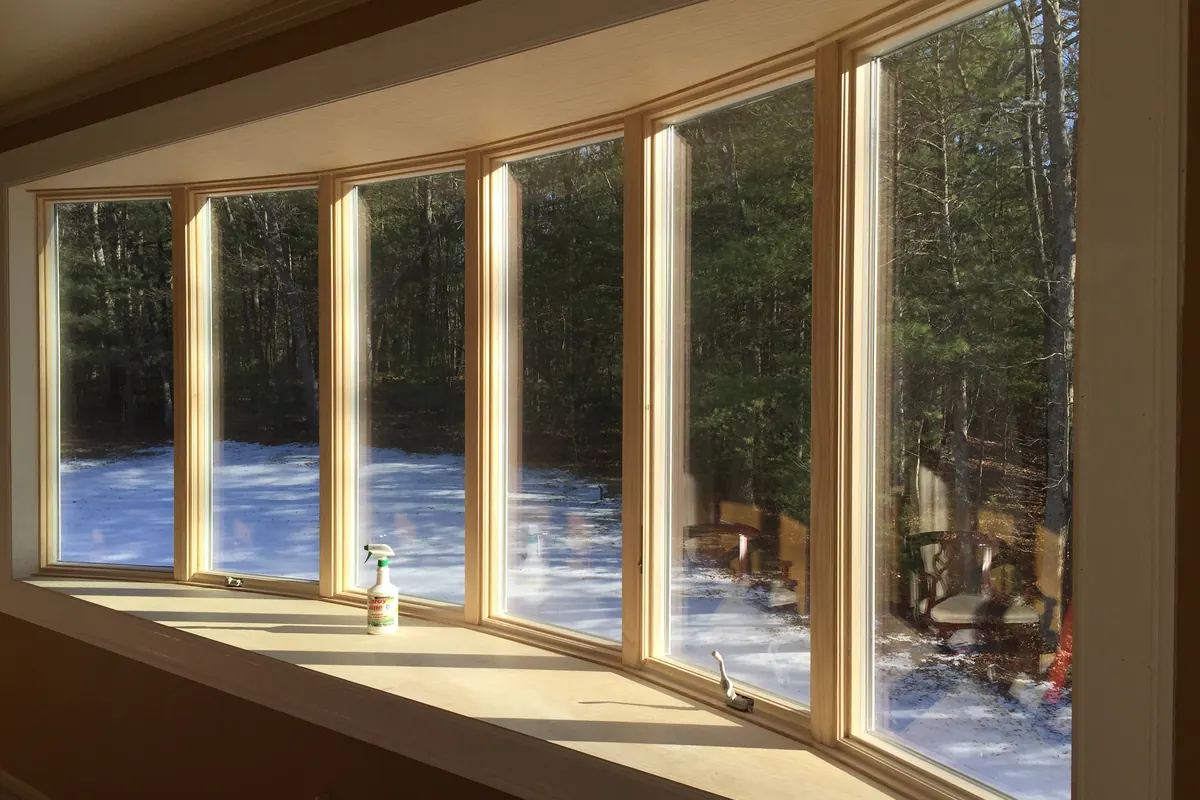
Actual Mister Roof field photos showing the replacement process and completed exterior results.