MR. ROOF INC / Roofing
Roof Leaks After Snowmelt in Attleboro: What to Document and Inspect
Prepare for a roof inspection after a snowmelt leak in Attleboro: record the evidence, understand attic and roof findings, and agree on repairs and follow-up.
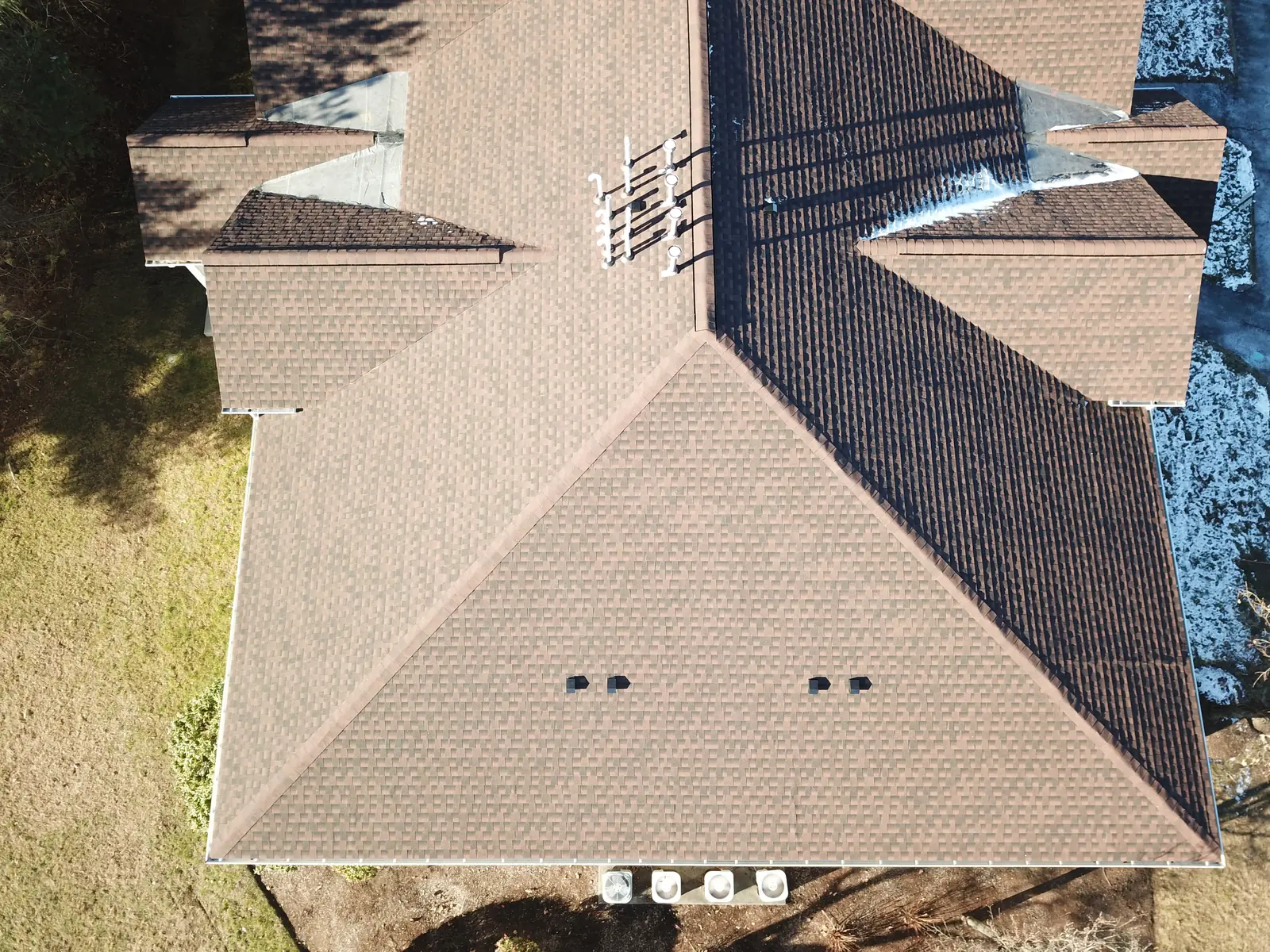
A ceiling stain that appears as snow starts melting can leave an Attleboro homeowner with two separate questions: how to stop the water now, and what work will prevent a repeat. A useful inspection needs the history of the event as well as a view of the roof.
This guide explains how to prepare that history, what to ask during a roof inspection and how to turn the findings into a repair plan. It is especially useful when the roof looks ordinary from the street but water has appeared inside.
Record the event before the evidence changes
From a safe indoor position, photograph the affected ceiling or wall. Include a wider picture showing the room and a closer view of the stain. Note the date, whether water is actively dripping and whether the mark has grown. Keep earlier pictures rather than replacing them with the newest image.
Write down the conditions you observed: snow still on the roof, a thaw after freezing weather, rain during the thaw, or wind from a particular direction. Add the location of nearby chimneys, skylights or roof intersections if you know them. These are observations to share, rather than proof of the source.
If water is actively entering, request prompt assistance and describe its location. Keep people away from affected electrical fixtures or a sagging ceiling. Do not climb an icy roof, chip at roof-edge ice or open a wet ceiling to investigate.
Separate the timing from the diagnosis
Snowmelt can reveal a problem that ordinary rain has not made obvious. In an ice-dam event, water from melting snow reaches a colder roof edge, refreezes and can back up beneath roofing. The DOE-funded Building America Solution Center explains this process and the role of heat escaping from the house.
That does not make every winter stain an ice-dam diagnosis. GAF’s roof-leak guidance also identifies damaged shingles, deteriorated flashing and clogged gutters as possible water-entry problems. Ask the inspector which findings support the explanation for your home.
For example, a stain near a chimney should prompt examination of that roof connection, but its position alone does not establish that the chimney flashing failed. Likewise, a row of icicles is useful to photograph from a safe distance; it does not measure the condition of the roof deck underneath.
Ask for a roof assessment and an attic assessment
Have the contractor explain which parts of the investigation involve the exterior covering and which involve the space below it. Exterior questions include the condition of shingles, flashing, valleys, penetrations and roof-edge drainage. Where a chimney connection is implicated, ask whether chimney flashing repair belongs in the scope.
For a vented attic, relevant questions include air leakage from rooms below, insulation at the attic floor and clear ventilation paths. ENERGY STAR explains that air sealing, insulation and ventilation work together to help keep an attic cold in winter. Blocking soffit vents with insulation can interfere with that airflow.
The correct approach depends on the actual roof assembly. A finished attic or an unvented roof should not automatically receive the same recommendations as an unfinished vented attic. Ask whether a home-energy professional needs to evaluate heat loss alongside the roofing investigation.
Understand what could not be inspected
Snow cover, unsafe access and concealed construction can limit an inspection. Request a clear record of those limits rather than interpreting an incomplete view as confirmation that everything is sound.
- Which roof areas were visible and which remained covered?
- Was the underside of the affected area accessible?
- Were moisture or damaged materials observed, or only suspected?
- Will a return visit be needed when access improves?
If a temporary measure is proposed, ask what it protects, what it leaves unresolved and what should trigger another call. A dry day after temporary protection does not, by itself, establish that the permanent cause has been corrected.
Build a plan with separate responsibilities
A useful proposal distinguishes immediate protection, permanent roof work and any attic improvements. A defined roof repair might address a particular damaged detail, while air sealing or insulation may require a separate scope and specialist.
Ask for photographs tied to each recommendation. Where removal is necessary, agree how concealed decking damage will be documented and approved. If blocked drainage contributed, establish whether gutter cleaning or another drainage repair is included rather than assuming it comes with roof work.
Replacement may enter the discussion if the inspection finds broader deterioration, but the proposal should connect that recommendation to documented conditions. Our regional roof replacement information is a starting point for that separate conversation.
Follow through after the exterior work
Ask how wet insulation, ceiling materials or other affected areas will be evaluated and dried. Repainting a stain completes a cosmetic step; it does not address retained moisture. EPA’s moisture guidance emphasizes fixing the water problem and drying water-damaged materials promptly.
Keep the inspection photographs, work description and completion record together. Note what happens during later rain or thaw conditions. If the same area changes again, that record gives the contractor something specific to investigate.
Questions Attleboro homeowners ask
Should I wait until all the snow is gone before calling?
Report active water entry promptly. The contractor can explain immediate options, access limits and which parts of the inspection may need a later visit.
Does a dry stain mean the leak has stopped permanently?
No. The triggering conditions may simply have passed. Compare photographs and have the suspected source evaluated before closing out the issue.
Is checking the attic enough to locate the problem?
An attic view can supply useful evidence, but the investigation may also need exterior details and your event history. Ask what remains uncertain.
Arrange an inspection in Attleboro
Mister Roof’s Attleboro office is at 829 Newport Avenue, Attleboro, MA 02703. Contact our team with your photographs, the timing of the leak and any earlier repair records to discuss the next step.