MR. ROOF INC / Windows
Drafty Windows in Attleboro: A Room-by-Room Comfort Checklist
Use a room-by-room checklist to explain drafty windows in your Attleboro home, distinguish cold glass from air leaks and plan an assessment before ordering.
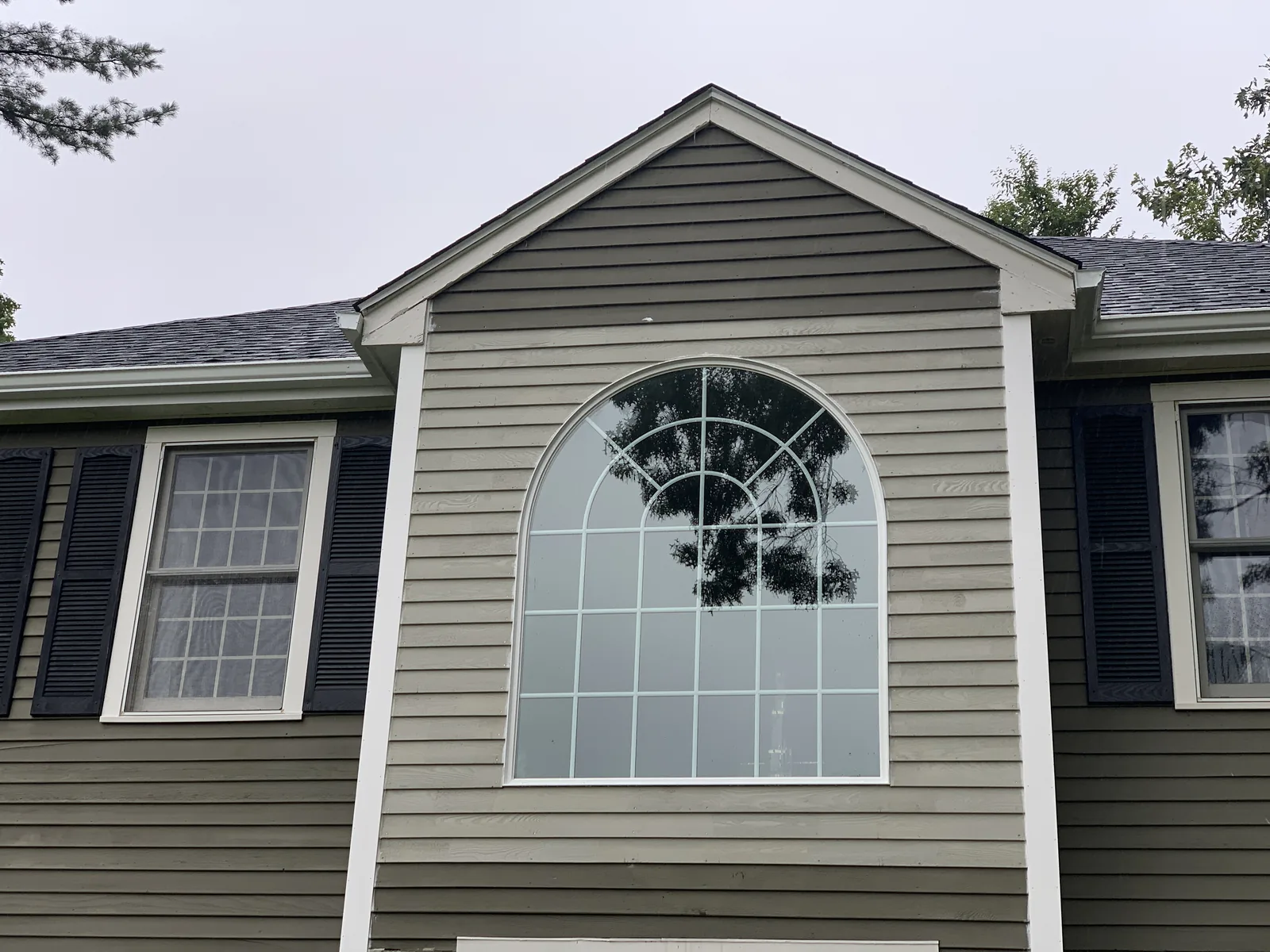
If one chair feels cold all winter or an upstairs bedroom is uncomfortable despite the thermostat setting, start with that room rather than a whole-house window order. “Drafty” can describe moving air, cold glass or a broader comfort problem. Those observations lead to different questions.
This checklist helps Attleboro homeowners prepare for a window assessment and explain what they want to improve. It also helps separate a window-specific problem from one that deserves a wider home-energy evaluation before replacement windows are selected.
Give every uncomfortable room its own record
Choose the rooms that bother you most and note when the discomfort appears. Record whether it happens on windy days, after sunset, during strong afternoon sun or throughout the day. Include where you sit or sleep relative to the window.
For each opening, write down its operating style, whether it closes and locks normally, and whether curtains or blinds are usually open. Photograph the whole window and any visible gaps, damaged seals or staining. A useful note is “air movement along the lower sash on windy evenings,” rather than “all the windows are bad.”
Compare a comfortable room with an uncomfortable one. Different exposures, window sizes and installation conditions give the assessor useful context. You do not need to diagnose those differences yourself.
Distinguish moving air from the chill of cold glass
A cold sensation beside a window does not always mean outside air is passing through it. ENERGY STAR’s window guidance explains that a cold interior glass surface can draw heat from your body and make nearby seating uncomfortable. Better thermal performance and better air sealing address related but different issues.
Describe where you feel actual air movement and where you simply feel chilled. Check from the room side with the window closed and locked normally. Do not use a flame or dismantle trim to find the source. If a unit will not close or latch, report that as a separate operating problem.
A piece of damaged weatherstripping, a gap around the frame and a large cold glass area should not automatically receive the same recommendation. Ask the assessor to explain which condition is present at each affected window.
Look beyond the visible window
If several rooms are uncomfortable, a window appointment may be only part of the investigation. ENERGY STAR’s air-leak guidance explains that important leakage paths can be hidden in attics and basements. The spot where a draft is felt does not describe all the air movement through a house.
Tell the assessor about other symptoms: cold floors, large room-to-room temperature differences or discomfort that persists well away from the windows. Ask whether heating-system assessment, attic air sealing or another investigation belongs alongside the window work.
The Department of Energy’s home-energy assessment guide describes a professional evaluation that can include a blower-door test and other diagnostic tools. Such an assessment can help prioritize improvements instead of assuming the largest purchase will address the largest problem.
Have the assessment identify the affected joint
Ask the installer to distinguish the operating parts of the window from the connection between its frame and the wall. That distinction matters when discussing what stays, what comes out and which parts become accessible during the proposed work.
DOE’s rough-opening air-sealing guidance identifies the space between a window unit and the framing as a possible leakage path. It also explains that fibrous insulation alone does not provide an air seal. A proposal should say how the relevant gap will be addressed using materials appropriate for the installation.
Ask what evidence supports retaining the existing frame and what would justify removing it. If trim must be removed for further evaluation, discuss the investigation and restoration first. A new unit fitted inside an existing frame does not automatically mean every concealed joint has been examined.
Turn the comfort goal into product questions
Once the likely causes are understood, compare products against the room’s needs. Ask how the proposed glass package affects winter comfort, summer sun and daylight. Request the exact configuration and its ratings rather than relying on a series name.
ENERGY STAR recommends checking that the selected product is certified for the applicable climate zone. Keep the certification label and product details with your records. That is more useful than assuming every window sold under a familiar brand has the same performance.
When discussing vinyl replacement windows, Andersen windows or Harvey windows, ask to see how the frame width, opening style, screen and usable glass area would change. Comfort matters alongside normal use, cleaning access and the appearance from inside the room.
Prioritize the work and define the follow-up
Request a window-by-window schedule instead of a single unexplained total. Separate necessary repairs and operating defects from preferences such as matching styles. If a phased project fits your plans, establish which openings come first and how future work will connect to the same design.
The written scope should identify the installation method, air sealing, trim work, protection of occupied rooms, removal and cleanup. Ask how newly discovered damage will be documented. Installation is part of the comfort result: ENERGY STAR cautions that poorly installed windows can still be drafty.
After work is finished, operate and lock each unit with the installer. Review any adjustment or care instructions and agree how to report a continuing symptom. Revisit your original room notes under similar conditions, while allowing for differences in weather and heating-system operation.
Common comfort questions
Why do I feel cold if I cannot find an air leak?
Cold glass can make nearby seating feel chilly. Ask whether surface temperature, air movement or another room condition best explains the discomfort.
Does one uncomfortable room justify replacing every window?
Start with the affected openings and room conditions. A whole-house scope should have its own reasons rather than follow automatically from one complaint.
Can an energy assessment replace a window inspection?
They answer overlapping but different questions. An energy assessment examines the house more broadly; a window inspection can assess operation, components and installation options.
Discuss your Attleboro home’s comfort problems
Mister Roof’s Attleboro office is at 829 Newport Avenue, Attleboro, MA 02703. Contact our team with your room notes and photographs to discuss an assessment and a defined window project.